

Aap Ki Izzat’ has finally wrapped up its 22 episode run, leaving viewers already missing Tabish (Ahsan Khan) and Beena (Urwa Hocane). HUM TV deserves credit for ending the story at the right time instead of dragging it out. It’s a lesson other directors and production houses should learn: a drama stays sharp when creators know when to end it while people are still watching. The drama started with a bang, keeping everyone hooked with its solid story and great acting. It did slow down a bit in the middle, but the conversations and flashbacks were equally important to explain the perspective of the characters. You can’t expect every single episode to be at a high point.
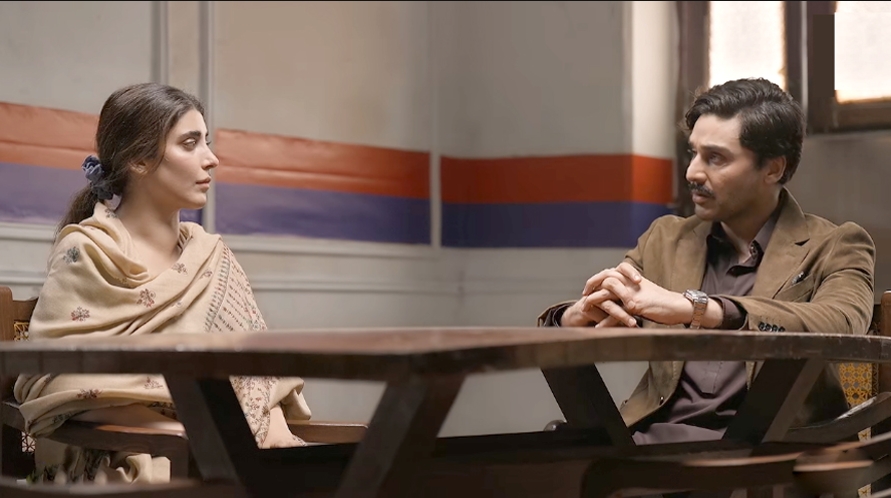

Here is a breakdown of how the final chapter of ‘Aap Ki Izzat’ played out.
The Final Chapter
Beena puts up a tough fight and forces Tabish to make some difficult decisions. She unleashes her built up rage, screaming at him, confronting him for every wrong he has done to her. High drama unfolds at the police station, where she manages to buy poison from a female police officer using money taken from Tabish. Behram’s (Saif Ali Khan) wife, Zarmala (Afshah Khan), arrives with her four children, leaving Beena shocked to learn about his marriage. After a heated dispute, Tabish forgives Behram at Zarmala’s tearful plea.
Eventually, Beena agrees to return home, but only on the condition of receiving a handwritten divorce paper. The kids are overjoyed to see their mother back. Nafeesa (Sania Saeed) finally owns up to her wrongdoings, admitting she was biased toward her son and asks Beena for forgiveness. Meanwhile, Tabish steps away from politics and cuts Naaz (Alina Khan) out of his life completely.
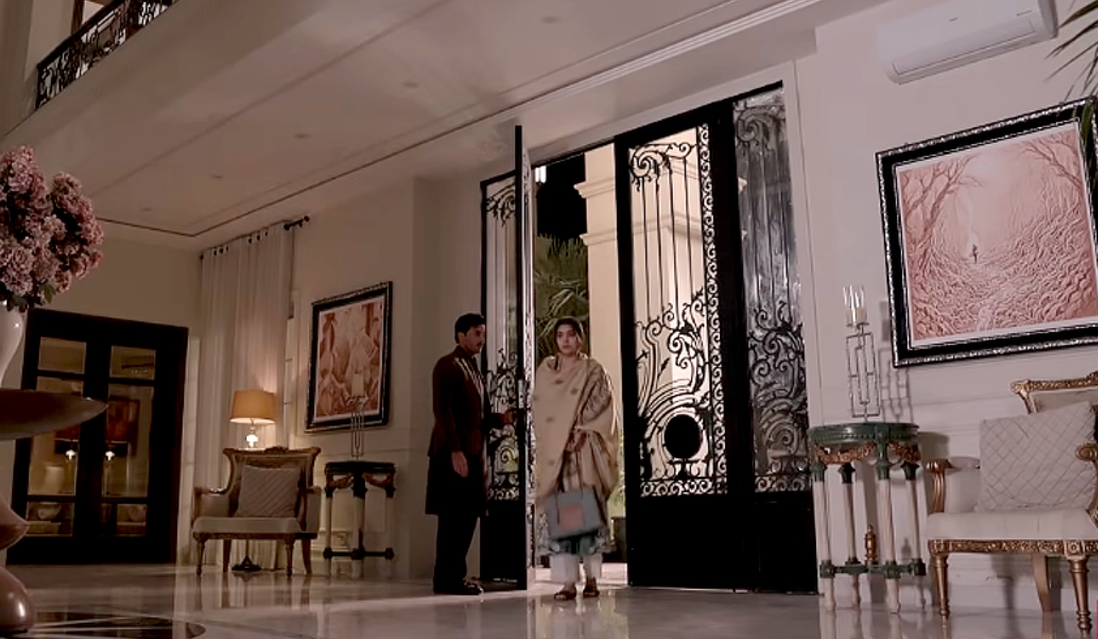

As the three month period passes, Tabish decides to move to Dubai, leaving Beena, her mother, and the kids behind. This decision shatters Beena; she finally breaks down, confessing to Tabish just how deeply she will struggle to live without him.
Striking a Social Chord
In a society where repeated acts of misogyny committed by husbands against their wives are fairly common, it requires guts to pull off a drama and showcase how deeply this behavior is ingrained in our psyche not just among men, but women as well. ‘Aap Ki Izzat’ feels relatable for this exact reason and how it is brushed off under the carpet. Umera Ahmed’s writing captures these domestic dynamics brilliantly, offering a sharp reality check for society to wake up, value wives, and give women the respect they truly deserve. Credit also goes to director Saife Hassan, who navigates this nuanced script with immense maturity. The back-and-forth narrative of young Beena and Tabish continued right into the final episodes, and kudos to Saife for keeping it engaging throughout. The tone and atmosphere are worlds apart from his last two directorial projects, ‘Tan Man Neel-o-Neel’ and ‘Jinn Ki Shadi Unki Shadi’, yet he understands the weight of this story completely and delivers total justice to it.

Urwa and Ahsan Own the Screen
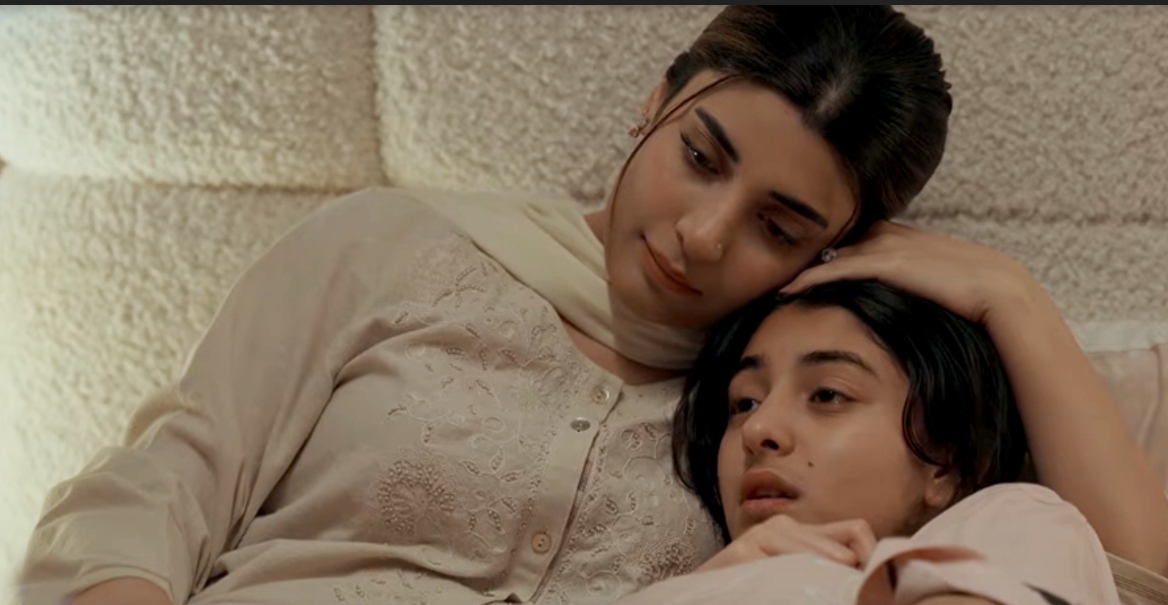
We have all seen the clips floating around showing the actors who were initially pitched before Urwa Hocane. But watching the show, it’s clear this role was tailor-made for her. The character landed in her lap, she grabbed it with both hands, and simply owned it. Urwa delivers a master class here a career-best performance that hits every emotional beat without a single false note. It sets a new benchmark for her, leaving us genuinely excited for what she takes on next.


Ahsan Khan, meanwhile, continues to prove why he’s one of the most versatile actors in the industry. Be it Taha Abdul Ala in ‘Alif’ to Darakzai in ‘Meray Humnasheen’, his ability to constantly reinvent himself at this stage of his career is deeply impressive. He brings a brilliant, quiet intensity to Tabish, balancing complex flaws with subtle vulnerability so effortlessly that you can’t look away.
What makes both Ahsan and Urwa’s work truly stand out is how convincingly they pull off the age leap staying completely grounded, natural, and believable in both their younger and older avatars.

Leaving a Lasting Impact
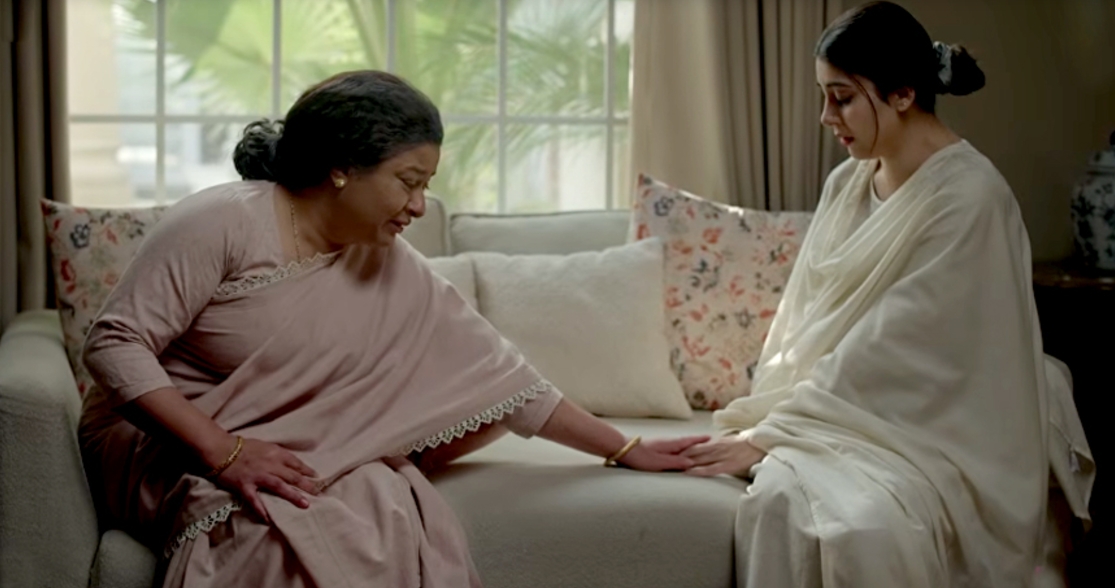
At its core, ‘Aap Ki Izzat’ stands as a rare television offering that manages to educate without feeling preachy. By pairing Umera Ahmed’s brave writing with Saife Hassan’s nuanced execution and career-defining performances from Urwa Hocane and Ahsan Khan, the drama delivers a powerful narrative that lingers long after the screen fades to black. It reminds us that meaningful television doesn’t just entertain, but also challenges our everyday social norms.

