
Moustache twirling villains, weeping women, the murder of innocents and an assault on the senses. All of these are staples of the cinema of the 80s and 90s in Pakistan and India. It’s a type of cinema that most can agree should stay buried and forgotten. However, Pakistan’s film industry keeps exhuming its corpse and dragging it to the theatre every few years. That’s “Bullah” in a nutshell for you.
The Only Bright Spot
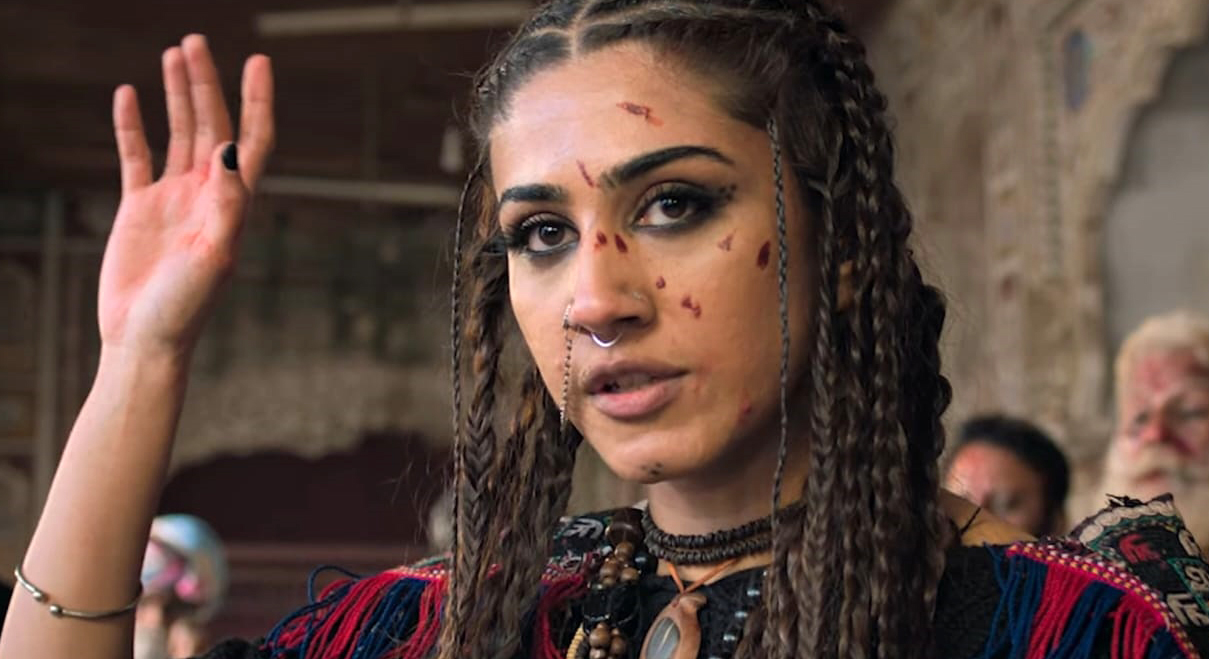
Before I extoll the vices of this film, let me commend the ONLY good thing about it: Naeema Butt as Faqeera. She has a natural swagger and confidence that, given the right script and direction, can do wonders.
She’s the only villain in the film that actually commands authority and the only character in the film who was interesting. I wanted to find out more about her, but expecting details out of this film is like expecting life to be fair. It’s not going to happen.

Bullah’s Plot is a Series of Clichés
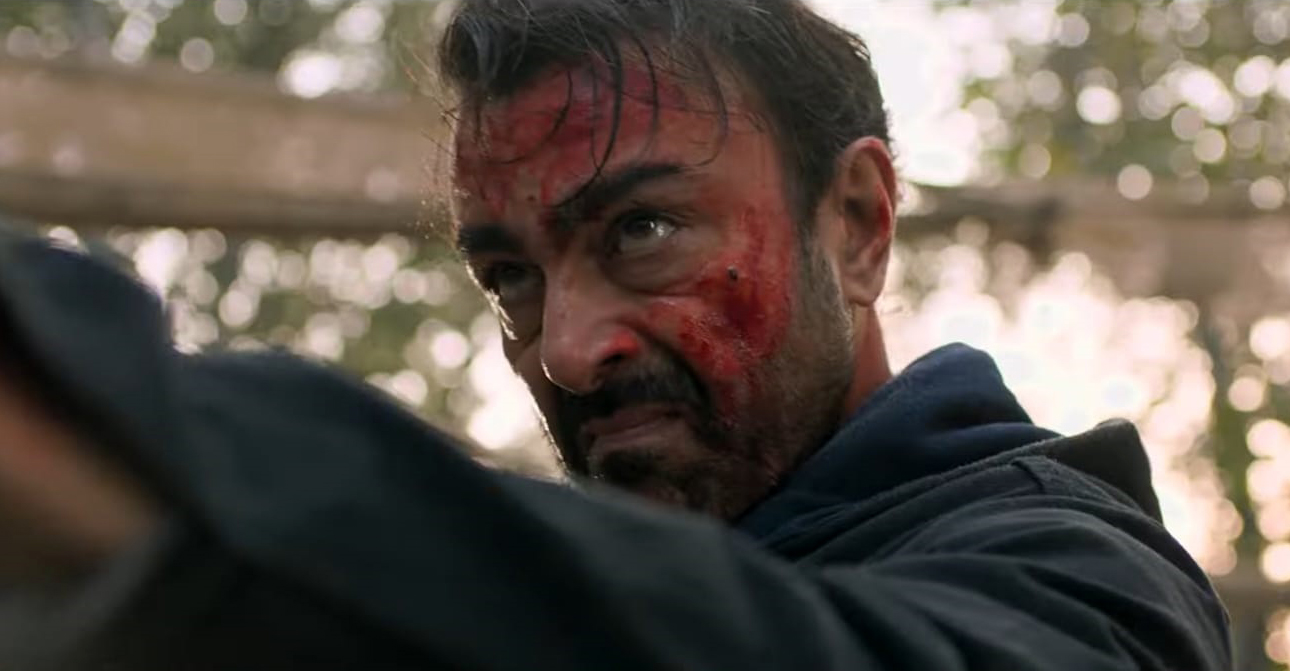
Where to begin? Bullah’s plot is every “hero comes to the rescue in a lawless land” film ever made. That doesn’t mean the plot is necessarily bad. From Akira Kurosawa’s “Yojimbo” to Clint Eastwood’s “Dollars Trilogy” to “John Wick”, it’s a very effective story. However, it’s the development of that character and the story that makes or breaks the film.
In the case of “Bullah”, the screenplay is dotted with cliché after cliché. With all due respect, this is not writer Nasir Adeeb’s best work. And Shoaib Khan’s direction does it no favours either.
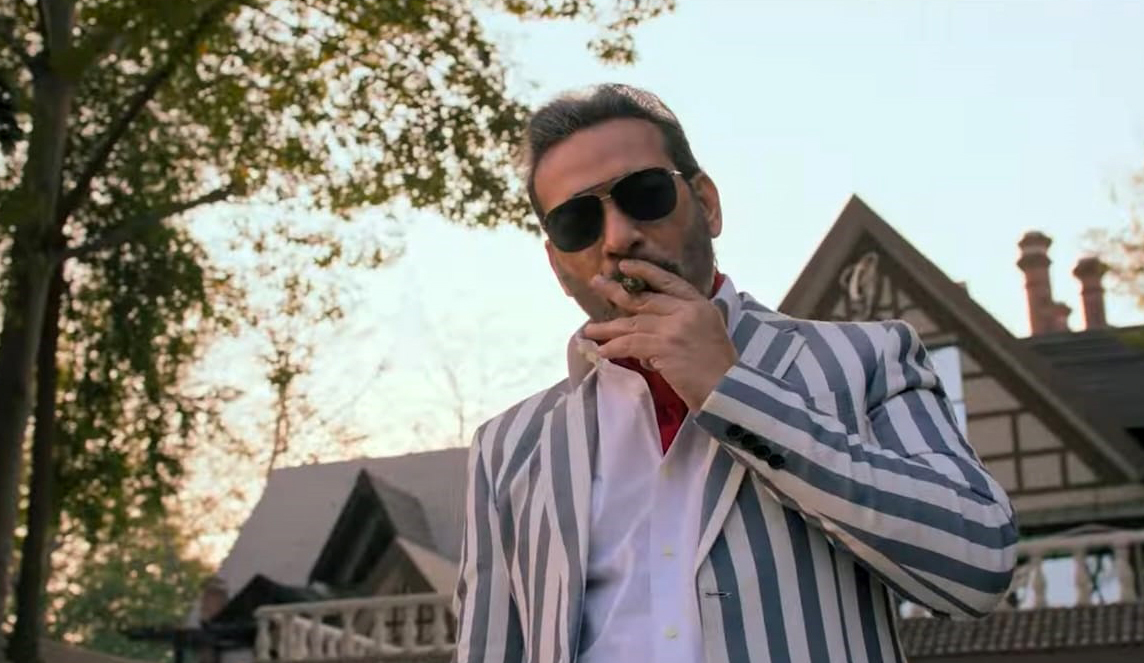
Take for example, Saleem Sheikh’s character who runs the drug smuggling syndicate Bullah is fighting against. In his introduction, he praises his friend “Mohsin” for always being by his side. The next second he blackmails him by showing him a recording of his adulterous activities and threatens to broadcast it on every news channel. Why exactly a man who helps run a drug empire should give a damn about this is never explained.
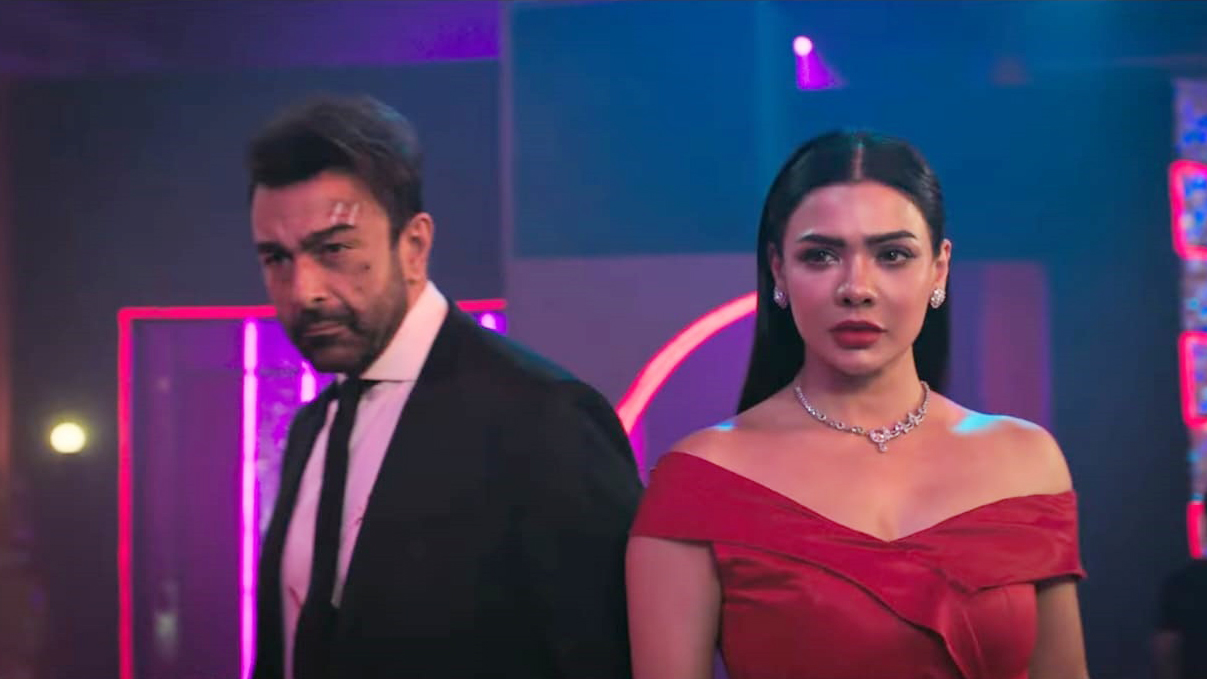

When Shaan Shahid’s Bullah enters for the first time, he saves a damsel in distress from a group of cartoonishly evil goons doing a dance around her before they plan they assault her. After saving her, he takes her to his SUV, parked nearby. Does he periodically go out patrolling to rescue innocent people? Does he have an intelligence network of people giving him tips? It’s never explained.
Sara Loren’s character “Sofia” falls in love with Bullah after meeting him once and in the next sequence, is romancing him at a candlelight dinner, dancing sensuously, and quite literally singing his praises. She’s supposed to be a covert spy trying to infiltrate the drug syndicate. Surely she doesn’t have time for all this.
Another example is of Adnan Butt’s character who blows up a car in the beginning of the film. Later, when the news covers this act of terrorism, a portion of the road is shown to be covered in soot. Where did the charred remains of the car go? Why is the field beside it still pristine?
In another scene, a character being chased through said field by ruthless gangsters with guns, pauses to answer a call. He is shot immediately. This man is supposed to be an undercover police officer. Didn’t he go through basic training?
I could go on, but I don’t care enough.

The Sound Design Is Awful
I can’t believe I’m still talking about this 13 years after the release of “Waar”. Sound design is critical to a film for establishing atmosphere and scale. Bad sound design can take the audience out of the experience and completely ruin it.
“Bullah” breaks every sound design rule in the book. Out of sync visuals, extremely obvious dubbing, and loud musical cues to abruptly change the tone of the film. The latter is a technique from the silent era that was used to convey a change in tone when dialogue was not available. It’s been nearly 100 years since the first talking picture. Surely, Pakistan can bury this technique in the ground for good.
As for the soundtrack, the opening dance number was nails on a chalkboard, while the rest of the soundtrack which includes a romantic track and a Sufi track is nothing to boast about. It’s all been done before and much better. One of the themes from the Indian film “Animal” also plays in the background in a scene, which was completely unnecessary. It added nothing.

The Action Is Passable
If one were to count the milestones of action choreography since the revival of Pakistan’s film industry in 2013, they would be “Waar” for that opening sequence; “Teefa In Trouble” for hand to hand combat, and “The Legend of Maula Jatt” for the climactic showdown between Maula and Noori.
Now that Pakistani audiences have seen what is possible, they won’t settle for any less. Every action film hence will be measured against those standards.
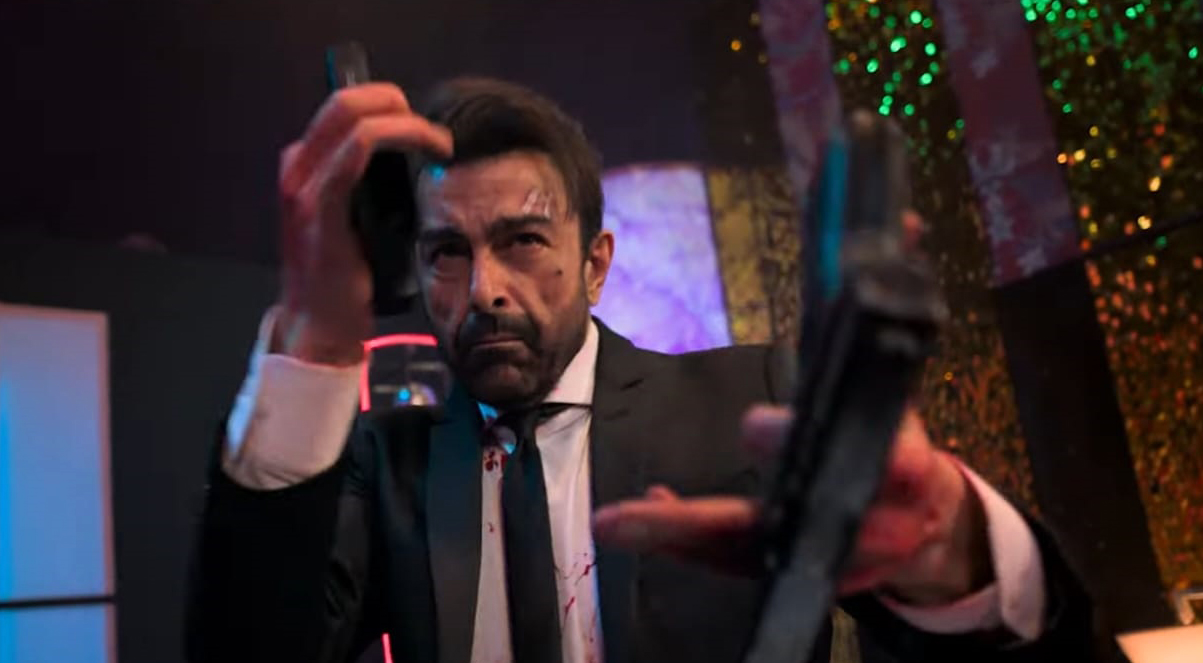

While not anything unique, “Bullah” at least tries to be creative in its action set pieces. The use of various weapons like axes, nail adorned bats, swords, and guns is at least creative. You can’t argue that they threw everything at the screen but the kitchen sink.
The blood and gore do come through, and Shaan Shahid’s aura is able to make up for some of the flaws.
Final Verdict
“Bullah” is nothing that we haven’t seen Shaan Shahid do a hundred times before. Quite literally. He has nearly 600 films to his name. He’s done much better, and deserves much better. The role of Bullah neither challenges him nor gives him much to work with.
“Bullah” is now in cinemas.

