
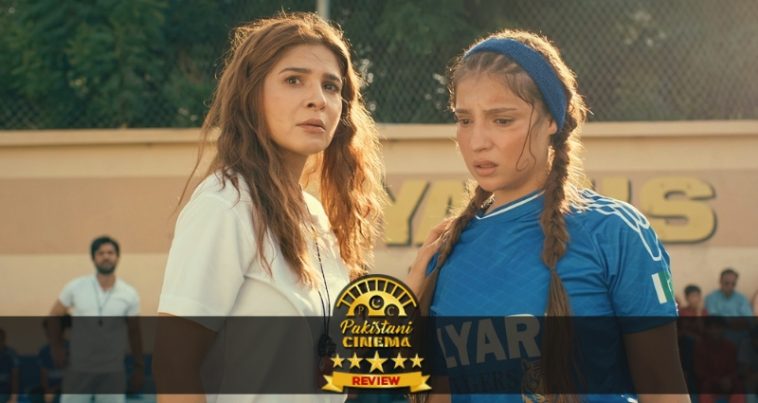
In an era where Pakistani cinema is on a constant quest to revive itself, ‘Mera Lyari’ attempts to tackle the intersection of gender politics and sports culture. Written and directed by Abu Aleeha, the film aims to be a beacon of female empowerment against the vibrant backdrop of Karachi’s football heartland, Lyari.
Having previously experimented in the gritty realms of crime and horror, ‘Mera Lyari’ marks Aleeha’s first major venture into the sports genre. It is a bold pivot from dark thrillers to a story of aspiration and empowerment. However, capturing the high-energy spirit of the football ground is a distinct challenge. The question remains: can a filmmaker rooted in the stylized world of thrillers successfully adapt to the grounded, high-energy technical demands of a sports drama? Let’s find out.
The Plot: A Struggle for the Goal
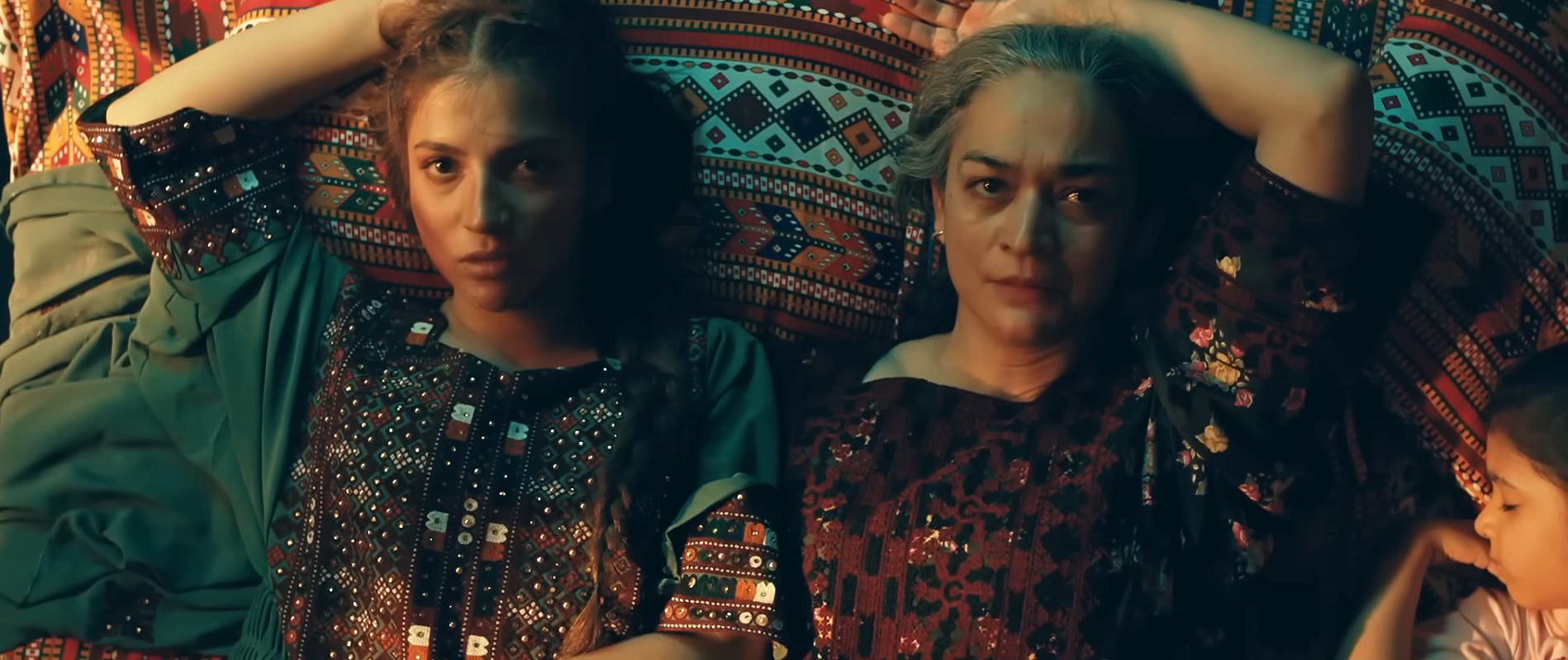
‘Mera Lyari’ follows the journey of Afsana Baloch (Dananeer Mobeen), an aspiring footballer determined to make a name for herself. However, her dreams are stifled by her misogynistic father, Arif Baloch (Nayyer Ejaz). Meanwhile, her mother Shakira (Samiya Mumtaz) is supportive but remains burdened by the pressure to bear a son. The story takes a pivotal turn when Behnaz Baloch (Ayesha Omar), a former player turned coach, discovers Afsana’s talent on the ground. Her intervention sets off a chain of events that forms the rest of the film.
A Script that Falters
While the film’s heart is in the right place regarding women’s empowerment, you cannot build a movie on good intentions alone while neglecting the screenplay. The narrative falters significantly; Aleeha should perhaps focus on directing and leave the writing to someone else. The film struggles with its identity, failing to balance sports and social issues. Though the protagonist is a footballer, her personal ambition for the sport feels secondary to the heavy-handed focus on domestic violence. At one point, the plot loses its way entirely, feeling more like a story about Shakira’s desire for a baby boy than an athletic journey. The dialogues too are tedious and repetitive; while a few one-liners land, most lines lack impact.
Directional Flaws & Pacing Problems
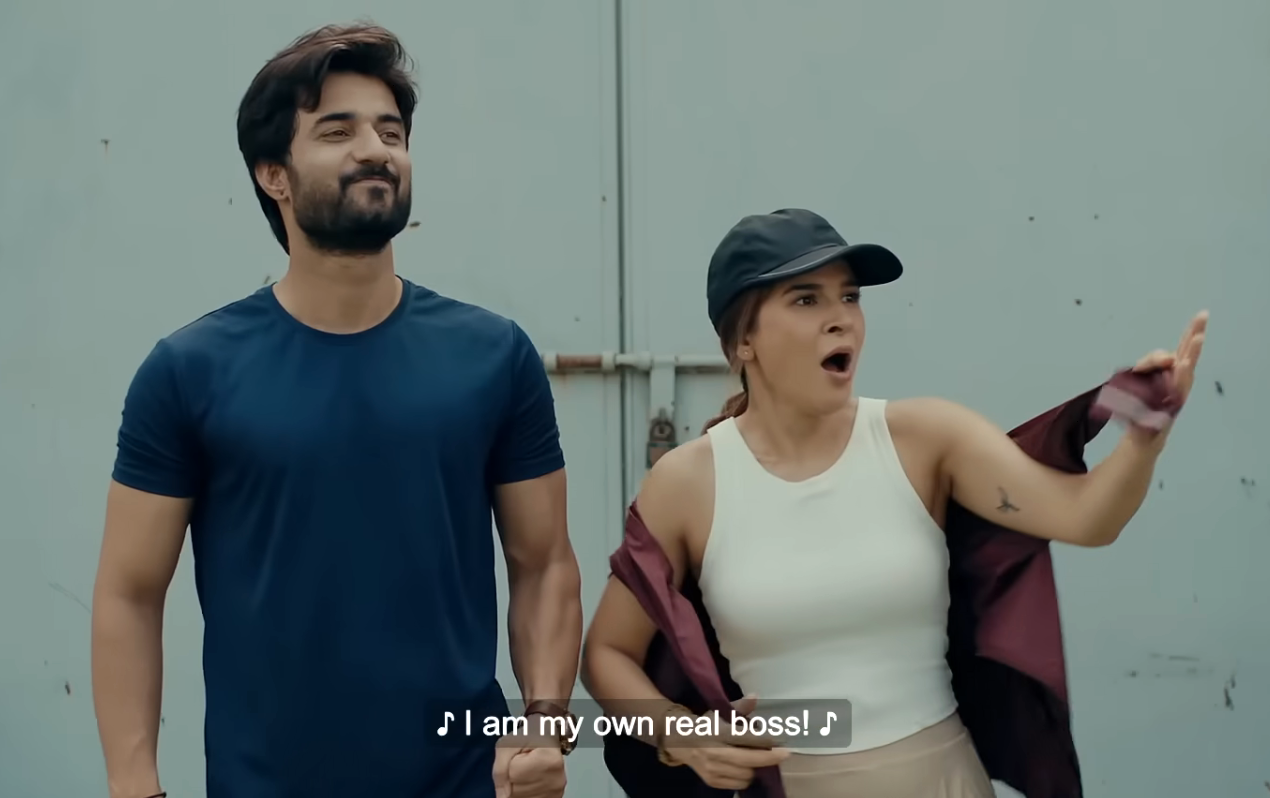
Aleeha’s direction is strikingly inconsistent, giving the impression of a rushed production where scenes were filmed exactly as written without further refinement. The flashback sequences are incoherent; in the age of OTT, the audience’s intelligence has been significantly underestimated, assuming they won’t notice the disjointed transitions between past and present. Character arcs feel unearned, for instance, Arif Baloch shifts from an abusive father to a supportive spectator in the blink of an eye.
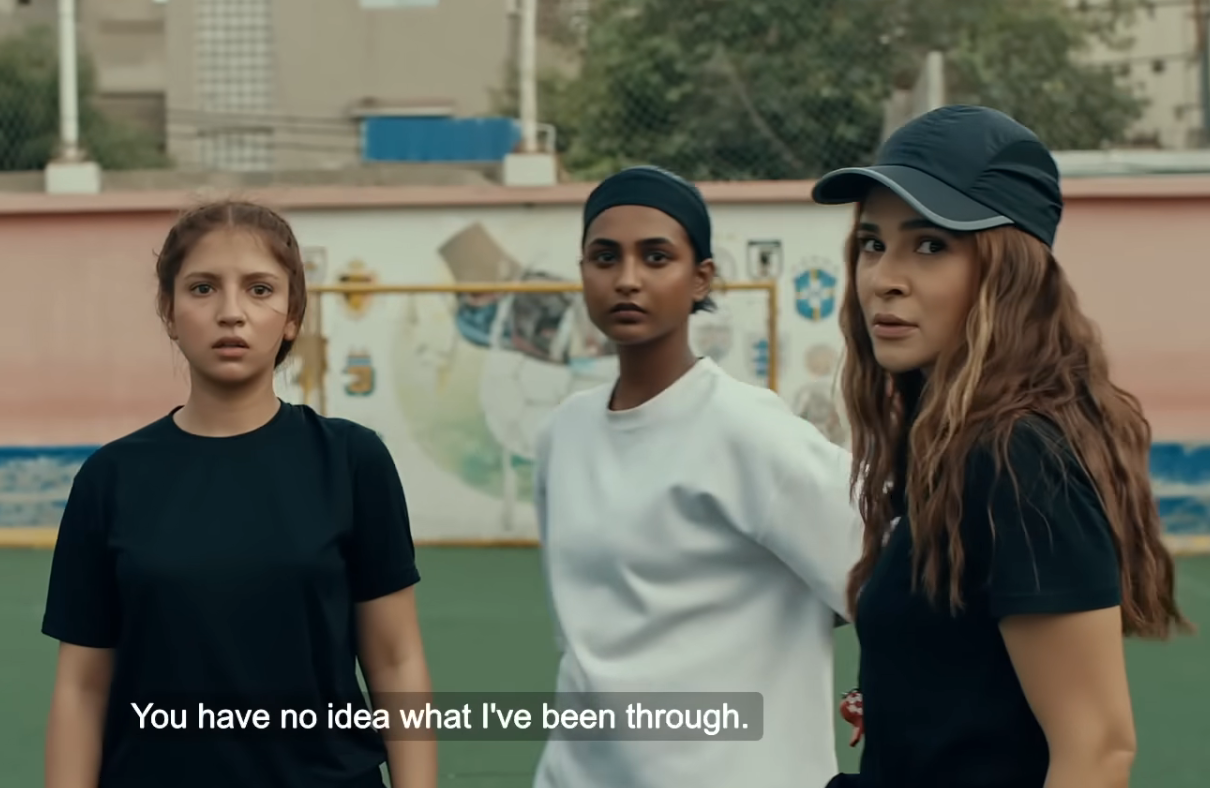
Just as we expect to see Afsana’s journey take off after finally getting the green light, the film abruptly ends. Furthermore, since football lacks the universal popularity of cricket, it was crucial to immerse the audience in the specific passion of Lyari’s cultural sports and talent, but the film fails to bridge that gap. The film was a tough watch, so the 90-minute duration and lack of an interval was a blessing.
Technical Merits and Flaws
Technically, ‘Mera Lyari’ is equally flawed. The editing is sloppy, leaving scenes feeling disjointed. The background score is chaotic, inconsistent and all over the place. These issues are only compounded by noticeable syncing and dubbing errors throughout.
The film’s production quality was a rare highlight. By filming on locations in Lyari, the creators captured an impressive and authentic backdrop that gave the movie a distinct visual edge. This attention to detail extended to the styling and wardrobe, both of which were perfectly on point and added a layer of realism to the characters.
Performance Review: A Standout Debut
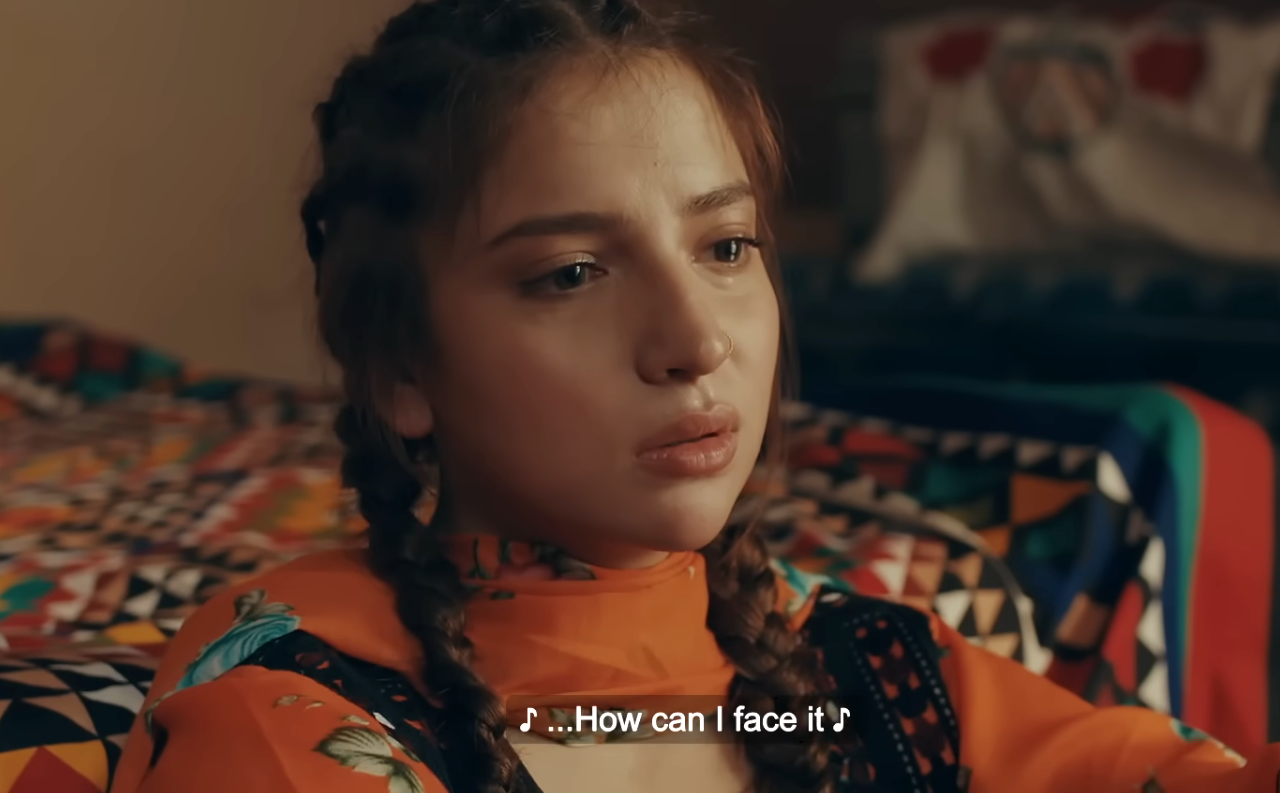
Dananeer Mobeen is undoubtedly the best part of ‘Mera Lyari’. As the film’s standout performer, she delivers an impressive debut and does full justice to the character of Afsana Baloch. However she is ultimately let down by a weak script. She does justice to the accent and mannerisms, showing great confidence as she runs the gamut of emotions. Given her track record as a credible TV star with solo hits like Muhabbat Gumshuda Meri and Meem se Mohabbat, she certainly could have waited for a more solid script for her silver screen debut.

The Supporting Cast: Hits and Misses
In contrast, Ayesha Omar’s performance was lukewarm. She struggles with her accent from the very first scene, drifting from a Baloch dialect to her natural Urdu and UK accent without explanation. Her character is poorly written, leaving the audience unable to connect with how she transitioned into a football coach following a leg injury.
While Nayyer Ejaz delivers a decent performance, it felt as though he was trying too hard with the Baloch accent. Samiya Mumtaz is simply wasted here; her character becomes stagnant as the film progresses. Performance-wise, she is very good, though. On the other hand, Paras Masroor was fantastic, and Adnan Shah Tipu was highly effective in his role. Trinette Lucas, as Kashmala, has limited screen time but still manages to make her presence felt.
Final Word
‘Mera Lyari’ serves as a cautionary tale that even the most inspiring social themes cannot rescue a film burdened by disjointed script, weak direction and a lack of technical polish. Despite Dananeer’s standout performance, ‘Mera Lyari’ feels like a wasted opportunity that fails to give Lyari’s rich sports culture the high-quality tribute it deserves.


Comments
0 comments